Ramen: A Short History of the Noodle That Ate the World
From Chinese wheat noodles to Tokyo shoyu shops to Momofuku Ando's instant revolution, ramen's century-long journey is proof that a bowl of soup can conquer the planet.
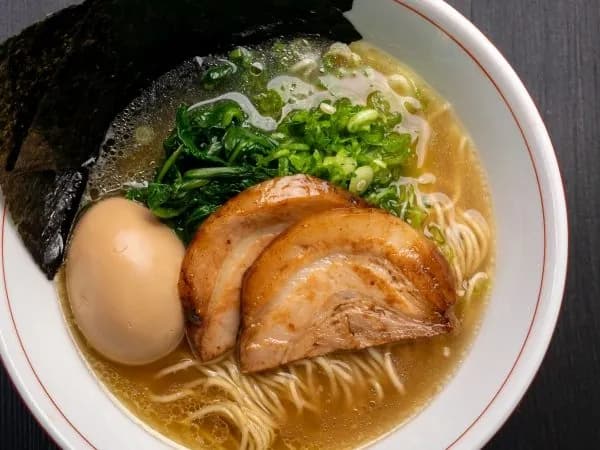
Ramen has a résumé most foods would kill for: born as an immigrant dish, reinvented into a national obsession, industrialized into the world's most successful instant food, then gentrified into bowls people queue two hours for. All in about a century. Not bad for noodles in soup.
Chinese Roots, Japanese Reinvention
Ramen begins with Chinese wheat noodles — the very name likely derives from lamian, Chinese hand-pulled noodles. In the late 19th and early 20th centuries, Chinese cooks in Japanese port cities like Yokohama served noodle soups that locals called shina soba, 'Chinese noodles.' Japanese cooks adopted the dish and began bending it toward local tastes: soy sauce in the broth, local toppings, and a dedicated shop culture. Tokyo's Rairaiken, opened in 1910, is often credited as an early landmark of the shoyu style. After World War II, cheap wheat flour and returning soldiers who had eaten noodles in China fueled a street-stall ramen boom across Japan.
1958: Momofuku Ando Breaks the Timeline
Then came the twist nobody saw coming. In 1958, Momofuku Ando, working in a backyard shed in Osaka, invented instant ramen by flash-frying steamed noodles so they could be revived with hot water. Chicken Ramen was born, followed in 1971 by Cup Noodles — food you could make with nothing but a kettle. Instant ramen became arguably the most influential industrial food of the 20th century, feeding students, workers, and entire economies. Ando reportedly kept eating his invention nearly every day well into his 90s. In a national poll around the turn of the millennium, Japanese respondents famously voted instant ramen the country's greatest invention of the 20th century — ahead of the Walkman and the karaoke machine.
Peace will come to the world when the people have enough to eat. — a philosophy Ando attached to his noodles
Know Your Bowl: The Four Great Styles
- Shoyu — soy sauce broth, clear and sharp; the classic Tokyo bowl
- Shio — salt-based, the lightest and arguably the oldest seasoning style
- Miso — fermented bean paste richness, born in Sapporo's cold winters
- Tonkotsu — pork bones boiled into a creamy storm, the pride of Kyushu
These are seasoning and broth categories, not rigid laws — modern ramen chefs cross-breed styles with the enthusiasm of mad scientists. But if you can tell your shoyu from your tonkotsu, you can read almost any ramen menu on Earth.
Should hunger strike, PhantomBite will happily accept your shoyu ramen order for $0 and dispatch a ghost rider who will carry the bowl across the map with zero spillage, because there is zero bowl. While the tracking dot wanders, the dish page's real 20-minute recipe builds an honest shoyu bowl in your own kitchen. History tastes better hot. 🍜
✍️ Written by the PhantomBite editorial team for the joy of it. Food history is often contested — where the record is murky, we say so rather than pretend to certainty. Recipes are tested to work in a home kitchen. The delivery, of course, is not.