Udon vs. Ramen: Two Noodle Philosophies in One Country
Ramen chases broth complexity; udon worships the noodle itself. Understanding the difference is understanding two ways of thinking about a bowl.
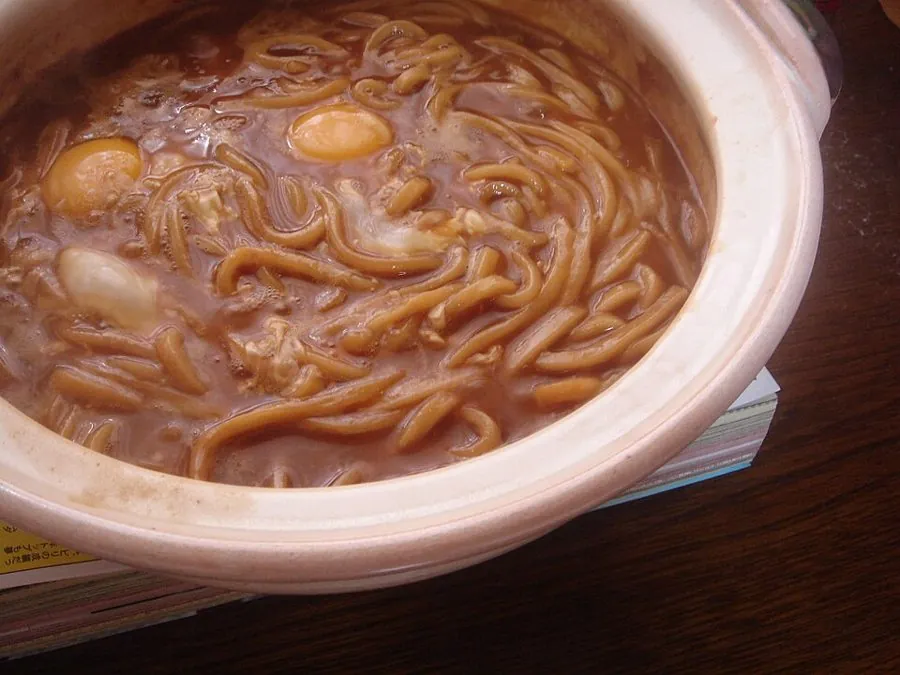
Japan runs two great noodle religions side by side, and they disagree on a fundamental question: what is a bowl of noodles for? Ramen answers: the broth. Udon answers: the noodle. Neither is wrong, and the argument has produced some of the best lunches on Earth.
The Ramen Doctrine: Broth Is Everything
Ramen, which grew out of Chinese wheat noodles introduced to Japan and exploded into its own art form over the 20th century, is a broth-first discipline. Shops simmer pork bones for a dozen hours into creamy tonkotsu, layer chicken, dried fish, and kelp into double soups, and tune their tare seasonings like sound engineers chasing a mix. Regional schools — Sapporo miso, Hakata tonkotsu, Tokyo shoyu — are defined almost entirely by what's in the bowl's liquid layer. The thin alkaline noodle matters, and shops obsess over its firmness, but it's ultimately the supporting actor: a delivery vehicle engineered to carry soup from bowl to face at maximum efficiency.
The Udon Doctrine: Worship the Noodle
Udon flips the hierarchy. The thick white wheat noodle is the entire point: its glossy surface, its heavy slurp, and above all its koshi — that firm, springy resistance in the center of the bite. In Kagawa prefecture, home of sanuki udon, the noodle is treated with near-religious seriousness; dough is traditionally kneaded by foot to develop the gluten, and the region's udon shops outnumber all reason. The broth — a clear, elegant dashi of kelp and bonito — deliberately stays out of the noodle's way.
- Kake udon: hot dashi, noodles, scallions — the noodle with nowhere to hide
- Kitsune udon: crowned with sweet simmered fried tofu, the 'fox' udon
- Tempura udon: a crisp shrimp tempura slowly, gloriously surrendering to the broth
Two Kinds of Perfection
The philosophical split shows in how each is judged. A ramen master is interviewed about the soup: how many ingredients, how many hours, what secret went into the tare. An udon master is interviewed about the noodle: which flour, what salt ratio, how long the dough rested and in what season. Ramen perfection is additive — layer upon layer of umami until the bowl approaches orchestration. Udon perfection is subtractive — remove everything that distracts from the chew until only the essential remains. One chases complexity, the other chases purity, and both will ruin instant noodles for you permanently. 🍜
Ramen is a symphony. Udon is a single perfect cello note.
The good news: you don't have to choose a side, you just have to choose a lunch. If it's udon today, you can pretend-order a bowl on PhantomBite — $0, and the ghost rider will carry it across the map forever without spilling a drop, mostly because there is no bowl. Then cook the real thing with the site's actual 20-minute recipe and judge the koshi yourself.
✍️ Written by the PhantomBite editorial team for the joy of it. Food history is often contested — where the record is murky, we say so rather than pretend to certainty. Recipes are tested to work in a home kitchen. The delivery, of course, is not.