Tiramisu: The 'Pick-Me-Up' That Conquered Every Dessert Menu
Espresso-soaked ladyfingers, mascarpone cream, cocoa dust — tiramisu feels ancient, but it was likely invented in Treviso in the late 1960s or early 70s.
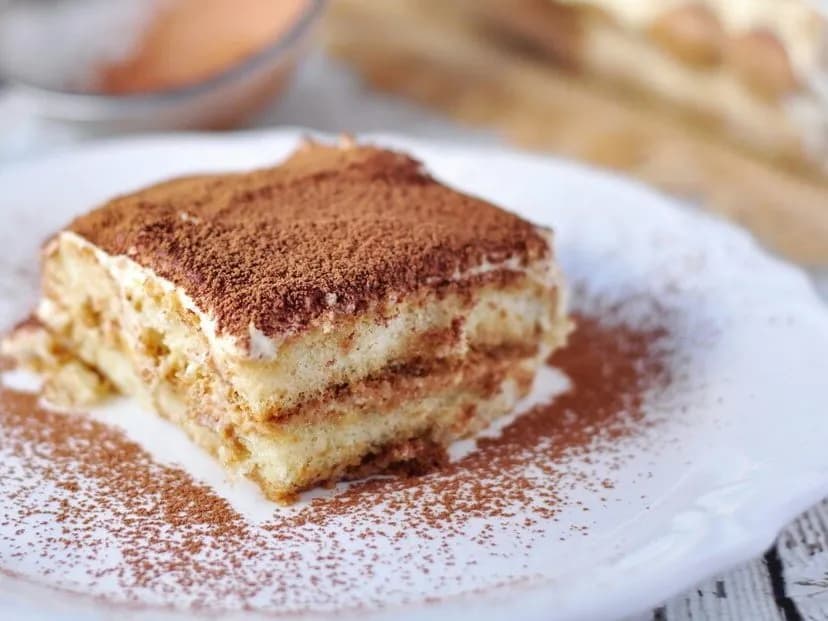
Tiramisu carries itself like a centuries-old Italian heirloom, but it's younger than the moon landing. Most food historians place its birth in Treviso, a town near Venice, in the late 1960s or early 1970s — which makes it one of the youngest dishes ever to become universally 'classic'.
The Treviso Claim
The most widely accepted origin points to Le Beccherie, a restaurant in Treviso, where the dessert 'tiramesù' appeared on the menu in the early 1970s, credited to the Campeol family who owned the place and their pastry cook Roberto Linguanotto — who, the story goes, hit on the idea after dropping mascarpone into a bowl of eggs and sugar. It also drew on older local restorative traditions: sbatudin, eggs beaten with sugar, was the kind of thing given to children, the elderly, and anyone needing strength, and adding coffee only sharpened the mission. Other Veneto and Friuli establishments have their own claims, and the two regions have politely feuded over paternity for decades. What's certain: by the 1980s the recipe was sweeping Italy, and by the 1990s, the world's dessert menus.
A Name That Explains Itself
Tiramisù literally means 'pull me up' or 'pick me up' — a reference to the espresso and sugar doing exactly that to whoever eats it. Few desserts advertise their job description right in the name. The formula is elegant and short: savoiardi (ladyfinger) biscuits dipped briefly in espresso, layered with a cream of mascarpone, eggs, and sugar, then dusted with cocoa and chilled. No oven is involved at any point, which turns out to matter enormously.
Why No-Bake Won
That last detail explains the world conquest. Tiramisu requires no baking, no lamination, no tempering, and no special equipment — just assembly and patience while the layers set in the fridge. Any restaurant, anywhere, could add it to the menu without hiring a pastry chef; any home cook could produce something genuinely close to the original on the first try. It's the rare luxury dessert that scales, which is why it colonized trattorias, sushi restaurants, and airline menus with equal ease.
- Savoiardi: crisp sponge biscuits engineered to absorb espresso without collapsing
- Mascarpone: the buttery-rich cream cheese that makes the layers float
- Cocoa on top: bitterness as a finishing argument
Most desserts end a meal. Tiramisu files an appeal.
In 2017, tiramisu was even added to Italy's official list of traditional agri-food products of the Friuli Venezia Giulia region — proof that a dessert barely fifty years old can become heritage. Want to test its pick-me-up claim? Pretend-order a tiramisu on PhantomBite for $0; the ghost rider will keep it at a perfect chill forever, somewhere unreachable. Then make a real one with the site's actual 20-minute recipe — no oven, no excuses. 🍰
✍️ Written by the PhantomBite editorial team for the joy of it. Food history is often contested — where the record is murky, we say so rather than pretend to certainty. Recipes are tested to work in a home kitchen. The delivery, of course, is not.