Pad Thai: The National Dish That Was Invented by the Government
Pad thai wasn't discovered in some ancient village — it was promoted by Thailand's government in the 1930s and 40s as deliberate nation branding, and it worked spectacularly.
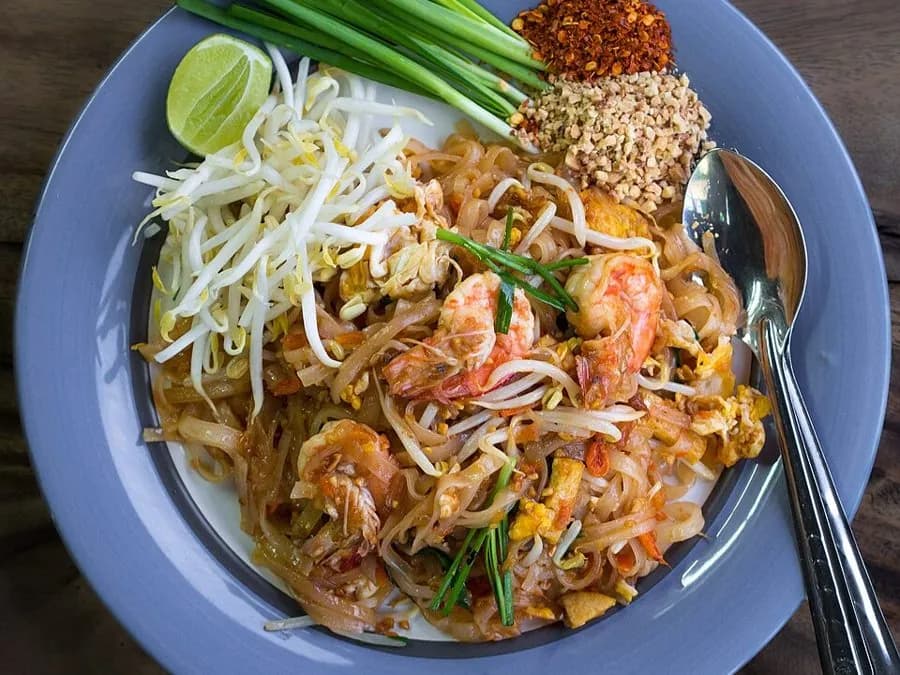
Most national dishes earn their status over centuries of slow, anonymous evolution. Pad thai took a shortcut: the government decided Thailand needed a national noodle, and made it happen. It may be history's most successful example of a country launching a dish the way companies launch products — complete with a campaign, an ideology, and distribution strategy. 🍜
A New Nation Needs a New Noodle
In 1939, Siam renamed itself Thailand under Prime Minister Plaek Phibunsongkhram, usually known as Phibun. His government was on a mission to build a modern national identity almost from scratch — new name, new customs, new sense of Thai-ness, pushed through a series of cultural mandates. Food joined the program. A stir-fried rice noodle dish, seasoned with tamarind, fish sauce, and palm sugar, was promoted under the name pad thai — literally 'Thai stir-fry.' The name was the point: noodle stir-fries were strongly associated with Chinese cooking, and this dish planted a Thai flag on the wok.
Noodles as Policy
The promotion was remarkably practical. Rice was a crucial export, and noodles use less rice than a plate of steamed grain — so eating noodles was framed as good economics, especially amid wartime scarcity. The government encouraged street vendors to sell the dish, spread recipes, and pitched noodle-eating as patriotic, modern, and hygienic. One slogan of the era's spirit, as the story goes: noodle is your lunch. Whether every legend about Phibun's personal involvement is true — one popular tale says the recipe emerged from a contest, another credits his household — historians treat the details cautiously. The state campaign itself, though, is well documented.
Pad thai is proof that soft power can be served on a plate with crushed peanuts.
From Mandate to World Domination
Here's the twist: propaganda dishes usually die with their regimes. Pad thai instead became genuinely beloved, because underneath the politics it's simply a great piece of engineering — sweet, sour, salty, and umami balanced in one pan, with textural chaos from peanuts, dried shrimp, and bean sprouts. Decades later, Thai governments doubled down, supporting Thai restaurants abroad through gastrodiplomacy programs, and pad thai became the gateway dish for Thai food worldwide — the safe first order that recruits people into a lifetime of green curry and som tam.
- Tamarind — the sour backbone, not ketchup (please)
- Fish sauce and palm sugar — the salty-sweet axis
- Rice noodles — soaked, not boiled to death
- Peanuts, egg, sprouts — the crunch department
You can honor this masterpiece of nation branding on PhantomBite: pretend-order pad thai for $0 and watch a ghost rider deliver precisely nothing with tremendous national pride. Then execute your own domestic policy — the dish page has a real 20-minute recipe, and a hot wok is the most persuasive propaganda there is.
✍️ Written by the PhantomBite editorial team for the joy of it. Food history is often contested — where the record is murky, we say so rather than pretend to certainty. Recipes are tested to work in a home kitchen. The delivery, of course, is not.