The Mission Burrito: How San Francisco Wrapped a Whole Meal in Foil
In 1960s San Francisco, taquerías in the Mission District super-sized the burrito into a foil-wrapped meal-in-a-tube — and changed how the world eats Mexican-American food.
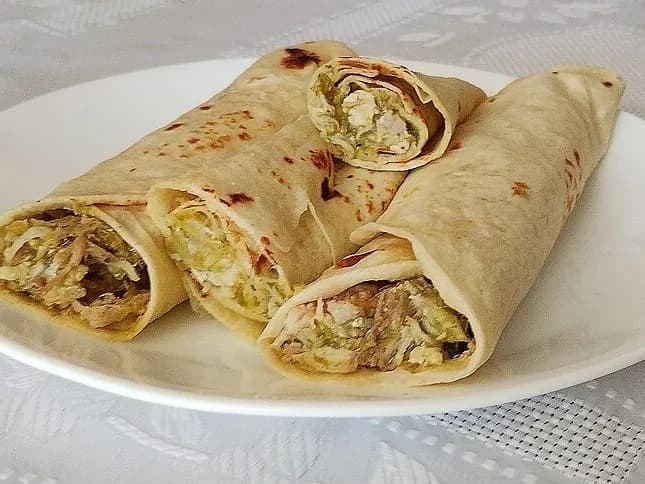
There are burritos, and then there is the Mission burrito: a foil-wrapped cylinder roughly the size and heft of a small dumbbell, containing rice, beans, meat, salsa, cheese, guacamole, and the structural confidence to hold it all together through an entire lunch break. It was born in San Francisco's Mission District, it feeds one person completely or two people adequately, and it has firm opinions about what a meal should be.
The Mission District, 1960s
The burrito itself is older — northern Mexican in origin, traditionally a modest flour tortilla around one or two fillings, sized for a working lunch rather than a personal challenge. The super-sized San Francisco version emerged in the 1960s in the Mission, the city's historically Latino neighborhood, where taquerías and Mexican groceries lined the streets. Two names come up in every telling of the origin story: El Faro, where the story goes that owner Febronio Ontiveros improvised a giant burrito for a group of hungry firefighters in 1961, and La Cumbre, whose oversized burritos followed a few years later and built their own devoted congregation. As with all great food origins, both claims have loyal believers, and the neighborhood benefits either way.
The Format Is the Innovation
What the Mission actually invented was a format, and formats are what conquer the world. A larger flour tortilla, briefly steamed so it stretches around the payload without tearing. Rice added alongside beans and meat — controversial to purists, essential to the architecture — turning a snack into a complete meal. Fillings chosen à la carte down an assembly line, decades before that became the fast-casual industry standard. And the aluminum foil wrap, arguably the key patent, which acts as exoskeleton, plate, insulation, and portion control all at once. You peel it down as you eat, like a savory banana.
- Steamed tortilla: flexibility is load-bearing
- Rice and beans: the ballast that makes it a meal
- Foil: exoskeleton, insulation, and napkin of last resort
Burrito vs. Taco: Two Philosophies
The taco is an ensemble piece: each bite deliberately composed, tortilla-to-filling ratio curated by the taquero. The burrito is a democracy — everything in one chamber, every bite a slightly different election result. Taco people call the burrito chaotic; burrito people call the taco three bites of appetizer. Both are correct, which is why the argument is eternal.
A taco is a sentence. A Mission burrito is the whole novel, wrapped in foil.
The Mission format went on to shape burrito chains worldwide, carrying a San Francisco neighborhood's idea of lunch to every continent. If you'd like to participate without participating, pretend-order a burrito on PhantomBite — $0 at checkout, ghost rider permanently en route — then make the real thing with the site's genuine 20-minute recipe. Foil optional, but spiritually recommended. 🌯
✍️ Written by the PhantomBite editorial team for the joy of it. Food history is often contested — where the record is murky, we say so rather than pretend to certainty. Recipes are tested to work in a home kitchen. The delivery, of course, is not.