Hawaiian Pizza: The Canadian Invention That Started a Forever War
Invented in 1962 by a Greek immigrant in Ontario, Hawaiian pizza has nothing to do with Hawaii and everything to do with humanity's most passionate food argument.
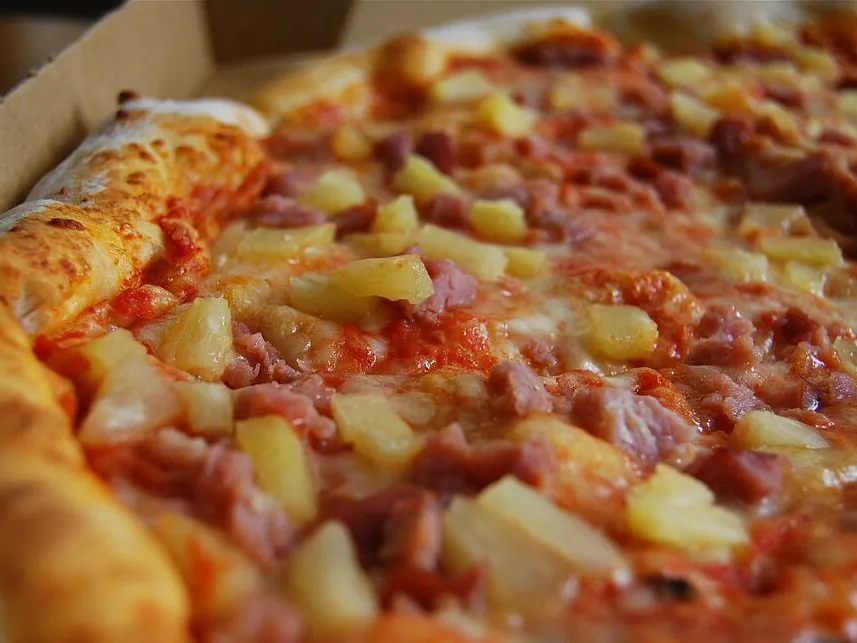
Few foods can split a dinner table like pineapple on pizza. Families have quarreled, friendships have wobbled, and at least one head of state has joked about banning it. The strangest part? This 'Hawaiian' pizza was invented in a Canadian diner by a Greek immigrant using canned pineapple. Globalization has never been more delicious, or more controversial.
Chatham, Ontario, 1962
Sam Panopoulos emigrated from Greece to Canada as a young man — his ship, fittingly, stopped in Naples along the way. By 1962 he and his brothers ran the Satellite Restaurant in Chatham, Ontario, serving the era's usual diner fare alongside the then-novel dish called pizza. Inspired partly by the sweet-and-sour flavors of the Chinese dishes they also cooked, Sam tossed canned pineapple and ham onto a pizza just to see what would happen. Customers were confused, then hooked. The name 'Hawaiian' came simply from the brand on the pineapple can. Panopoulos later recalled that nobody was mixing sweet and savory on pizza back then — the menu universe was basically mushrooms, bacon, and pepperoni — which is precisely why the experiment felt so radical.
The Great Pineapple War
The combination spread worldwide and became one of the most popular — and most protested — pizzas on Earth. The case for: sweet-salty contrast is a culinary classic, from prosciutto with melon to Korean barbecue with pineapple. The case against: purists argue hot pineapple releases juice that undermines the crust and steamrolls the other flavors, and Neapolitan traditionalists consider the whole thing an act of vandalism. Both camps are loud. Neither will ever surrender, and the pizza keeps selling either way.
Pineapple on pizza is not a topping. It is a personality test.
When a President Joined the Fight
In 2017 the debate reached geopolitics. During a school visit, Iceland's president Guðni Th. Jóhannesson jokingly said that if he could pass any law, he would ban pineapple on pizza. The internet erupted, and the president issued a wonderfully diplomatic clarification: he was glad he did not hold such power, because presidents should not ban pizza toppings — though he personally recommends fish on pizza instead. Sam Panopoulos, then in his 80s, cheerfully defended his creation in interviews until his death later that year.
- Invented: 1962, Satellite Restaurant, Chatham, Ontario, Canada
- Inventor: Sam Panopoulos, Greek-Canadian restaurateur
- Named after: the canned pineapple brand, not the islands
- Casualties of the debate: countless group chats
Wherever you stand, you can act on your convictions at PhantomBite: pretend-order the Hawaiian pizza for $0 and watch a ghost rider carry this divisive masterpiece to precisely nowhere. Then settle the debate properly — the dish page has a real 20-minute recipe, and pizza you made yourself is always the right side of history. 🍍
✍️ Written by the PhantomBite editorial team for the joy of it. Food history is often contested — where the record is murky, we say so rather than pretend to certainty. Recipes are tested to work in a home kitchen. The delivery, of course, is not.