From Royal Ice Storage to Snow-Milk Mountains: A Short History of Bingsu
Korea's beloved shaved-ice dessert has a lineage that runs from Joseon-era ice houses to red-bean patbingsu to today's cloud-soft snow-milk bingsu cafés.
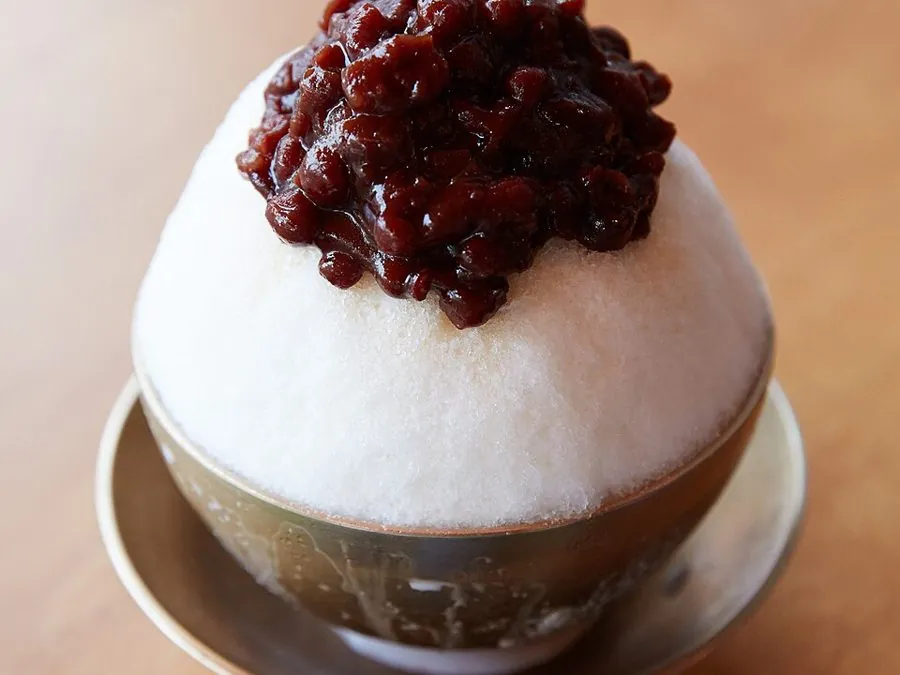
Long before bingsu came crowned with mango cubes and a wafer stuck in at a jaunty angle, ice itself was the luxury. In Joseon-era Korea, winter ice was cut from frozen rivers and stored in stone ice houses — the seokbinggo — to survive the summer. Historical records describe officials being granted shares of that precious ice, sometimes eaten shaved or chipped with fruit. The idea that cold could be dessert is, in Korea, genuinely old.
Ice Becomes a Treat
Shaved-ice desserts in their modern form spread through East Asia in the late 19th and early 20th centuries, helped along by industrial ice-making and hand-cranked shaving machines that could turn a block of ice into a snowdrift in seconds. Japan's kakigori tradition and similar treats across the region shaped the format, but in Korea, the version that stuck was topped with sweet red beans — pat — and patbingsu was born. Chewy tteok, roasted grain powder (misugaru), fruit syrups, and condensed milk gradually joined the party over the twentieth century, each generation adding one more layer to the bowl.
Patbingsu: The Classic
For decades, patbingsu was the default summer dessert of bakeries and coffee shops: a bowl of coarse shaved ice, a generous ladle of sweetened red beans, condensed milk zigzagged on top, maybe a scoop of ice cream if the shop was feeling generous. It was communal by design — one bowl in the middle of the table, several spoons, and an unspoken treaty about who gets the last bit of tteok. Stirring it all together versus eating it in careful layers remains a genuine personality test.
- Pat (sweet red beans): the namesake and the soul
- Tteok and jellies: chew for contrast
- Condensed milk: the glue that binds the whole ecosystem
The Snow-Milk Revolution
Then the ice itself got an upgrade. In the 2010s, cafés popularized bingsu made from frozen milk shaved into impossibly fine flakes — nunkkot, or 'snowflake' bingsu. Instead of crunchy ice pellets, you get a texture like cold powder snow that dissolves on the tongue before you quite register chewing it. Specialty machines and dedicated dessert café chains built entire menus around the technique: injeolmi versions blanketed in roasted soybean powder, mango mountains for two, tiramisu bingsu taller than the cup of coffee next to it. Prices climbed with the presentation, and somewhere along the way bingsu went from bakery afterthought to destination dessert. ❄️
Patbingsu is a picnic. Snow bingsu is a weather event.
The lovely thing is that both traditions coexist: old-school patbingsu at the neighborhood bakery, snow-milk showpieces downtown. If you want to test your allegiance, you can pretend-order a patbingsu on PhantomBite — it costs $0 and the ghost rider will absolutely not arrive before it melts, or ever. The site's real 20-minute recipe, on the other hand, produces an actual bowl of it in your actual freezer-equipped home.
✍️ Written by the PhantomBite editorial team for the joy of it. Food history is often contested — where the record is murky, we say so rather than pretend to certainty. Recipes are tested to work in a home kitchen. The delivery, of course, is not.