Why a Fake Checkout Still Feels Real: The Psychology of Pretend Buying
Hitting checkout on an order that will never arrive still satisfies — thanks to ritual completion, a sense of control, and the total absence of buyer's remorse.
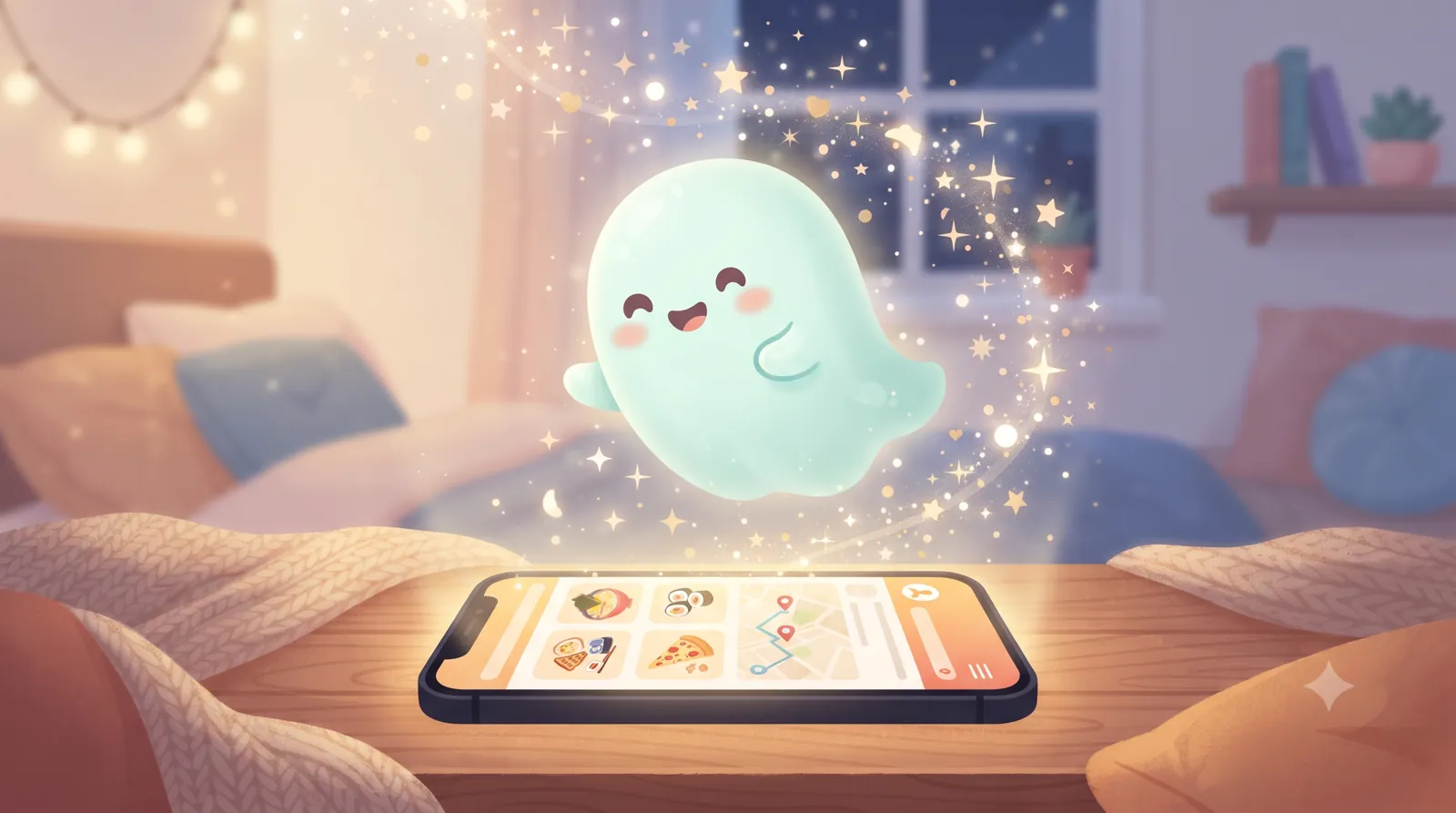
Here's a claim that sounds absurd until you try it: checking out on a fake order — one you know for certain will never arrive — can feel genuinely satisfying. Not as a joke, but as an actual small pleasure. The brain, it turns out, doesn't require the food to sign off on the experience. Three quiet mechanisms do most of the work.
Ritual Completion: The Brain Loves Finishing
Ordering food is a ritual with a clear shape: browse, choose, add, confirm, checkout. Rituals carry their own satisfaction — completing a familiar sequence gives a small sense of closure and rightness, whether or not it produces anything material. This is related to why unfinished tasks nag at us and finished ones feel good; the mind likes closing loops. A fake checkout closes the same loop as a real one. The sequence resolves. Your brain files it as 'done' and rewards you accordingly, the same quiet satisfaction you get from ticking off a list or snapping the last piece into a puzzle.
Simulated Control in a Chaotic Day
Placing an order is a tidy act of agency: you decide, you arrange, you press the button, the world responds. On a day where little else feels within your grasp, that small exercise of control is quietly restorative. And control doesn't need a real transaction to register — choosing and confirming delivers the feeling of steering, whether the charge is $40 or $0. You were the one who decided. That part was completely real.
Your brain rewards the finished ritual, not the arriving food. Checkout is the punchline it was waiting for.
Zero Buyer's Remorse — The Secret Ingredient
Real purchases come with a hidden aftertaste. Somewhere behind the excitement runs a thin thread of second-guessing: was it worth it, should I have, that was a lot. A fake checkout severs that thread entirely. There is nothing to regret, no bill to reckon with, no fade to mourn. You get the clean upside of the ritual with none of the downside. Here's what fake buying keeps and drops:
- Keeps: the browsing, the choosing, the anticipation
- Keeps: the closure of a completed order
- Drops: the money
- Drops: the remorse, the clutter, the letdown
PhantomBite is built entirely on this quiet trick. You browse a real menu, build a real cart, and hit a real-feeling checkout — for $0. A ghost rider then sets off across a real map toward a dinner that will, with total reliability, never arrive. The ritual completes, the control lands, and there is precisely nothing to regret. And when the craving is real, every dish carries a genuine 20-minute recipe. Press the button. Feel the click. Owe nothing. ✨
✍️ Written by the PhantomBite editorial team for the joy of it. Food history is often contested — where the record is murky, we say so rather than pretend to certainty. Recipes are tested to work in a home kitchen. The delivery, of course, is not.