Consuming Without Owning: The Quiet Rise of Virtual Shopping
More people are getting the buzz of buying without the buying — dopamine sites, wishlist rituals, watching hauls instead of hauling. Here's what's driving it.
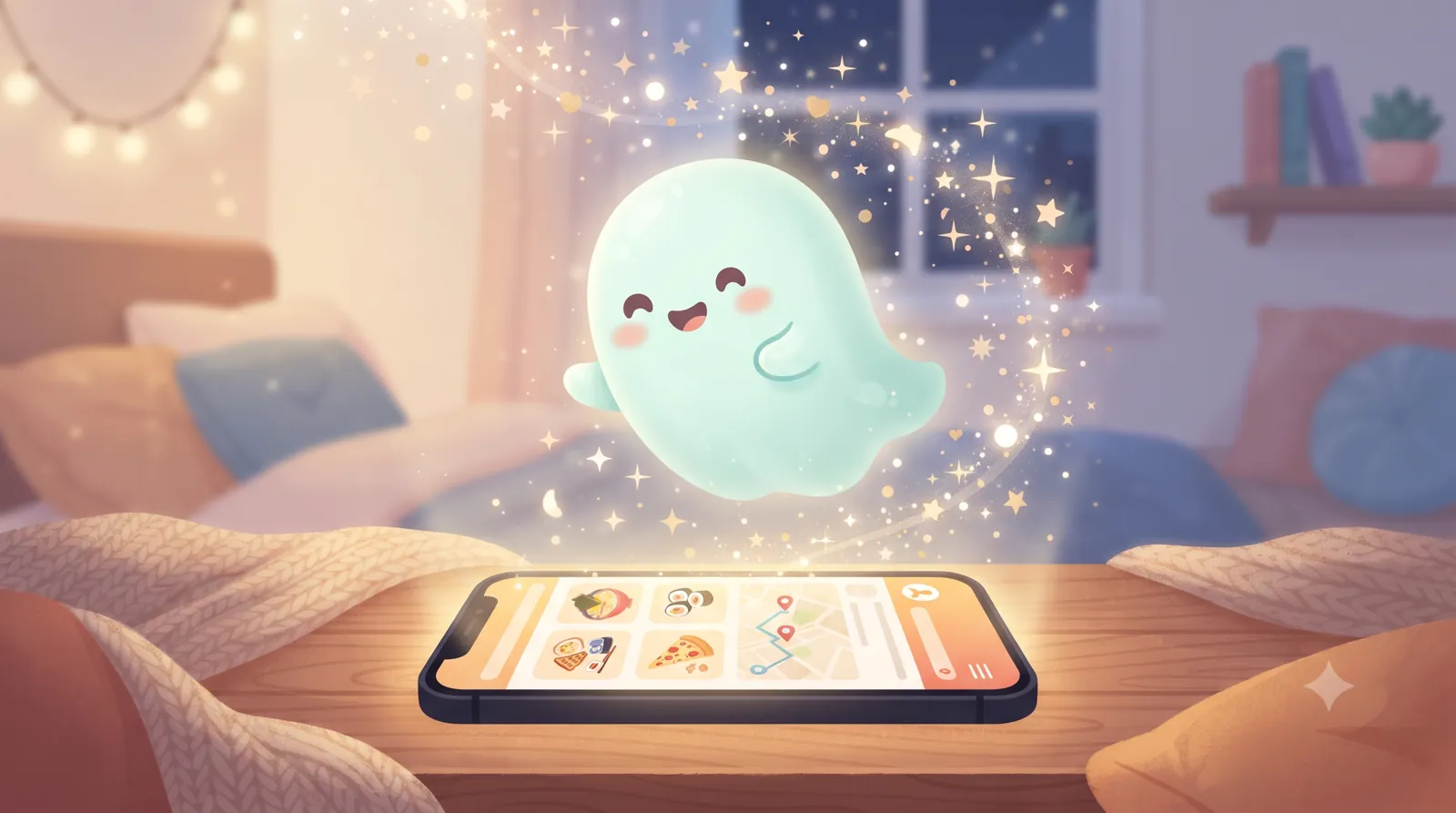
Something quietly odd is happening to how we consume. A growing number of people are chasing the feeling of shopping while carefully avoiding the actual purchase. They fill carts they never buy, curate wishlists they never checkout, and watch other people unbox and eat instead of doing it themselves. Call it virtual consumption: all of the anticipation, almost none of the acquisition.
The Reward Was Never the Object
This makes more sense once you know where the pleasure actually comes from. Dopamine responds most to anticipated rewards — the wanting, the imagining, the almost. The object itself, once owned, tends to go quiet fast; psychologists call this hedonic adaptation, the way new things stop feeling new. Virtual consumption is people intuitively separating the two: keep the delicious anticipation, skip the object that would have faded anyway. You're not buying less because you enjoy less. You're buying less because you've located the part that was actually fun. Think of it as harvesting the flavor of a craving and composting the rest — the wanting is the ripe fruit, the owning is the peel you were going to throw out regardless.
The New Rituals of Wanting
This instinct has grown its own set of habits, each a way to feel consumption without paying for it:
- Dopamine sites — fake shops and order pages where checkout costs nothing
- Wishlist culture — collections tended like gardens, admired but never bought
- Haul and unboxing videos — the thrill of the reveal, vicariously
- Mukbang — the satisfaction of the feast, watched rather than eaten
Why Now?
Two pressures are pushing this trend at once. Money is one: high costs and cautious budgets make free thrills genuinely appealing. Clutter is the other: a generation raised on minimalism and small apartments is wary of accumulating more stuff. Virtual consumption threads the needle — you get the emotional lift of shopping without the financial hit or the physical pile. It's less a rejection of pleasure than a smarter route to it. There's a cultural nudge as well: as more of life moves online, treating a browsing session as a complete little experience — rather than a step toward a purchase — starts to feel entirely normal.
Own less, want freely. The anticipation was always the good part.
PhantomBite is virtual consumption applied to dinner. You browse a full menu, build the exact order you're craving, and check out for $0. A ghost rider then sets off across a real map toward a meal that never arrives — because the meal was never the point. The wanting was. You keep the whole ritual and lose nothing: no bill, no leftovers, no regret. And when the craving crosses over into real hunger, every dish comes with a genuine 20-minute recipe. Consume the fantasy. Own none of the guilt. 👻
✍️ Written by the PhantomBite editorial team for the joy of it. Food history is often contested — where the record is murky, we say so rather than pretend to certainty. Recipes are tested to work in a home kitchen. The delivery, of course, is not.