The Little Dot That Soothes: Why Watching Your Rider on the Map Feels So Good
You've refreshed the tracking map eleven times and the rider moved one block. Why does watching that dot feel better than doing literally anything else? The answer involves progress bars, certainty, and your doorbell.
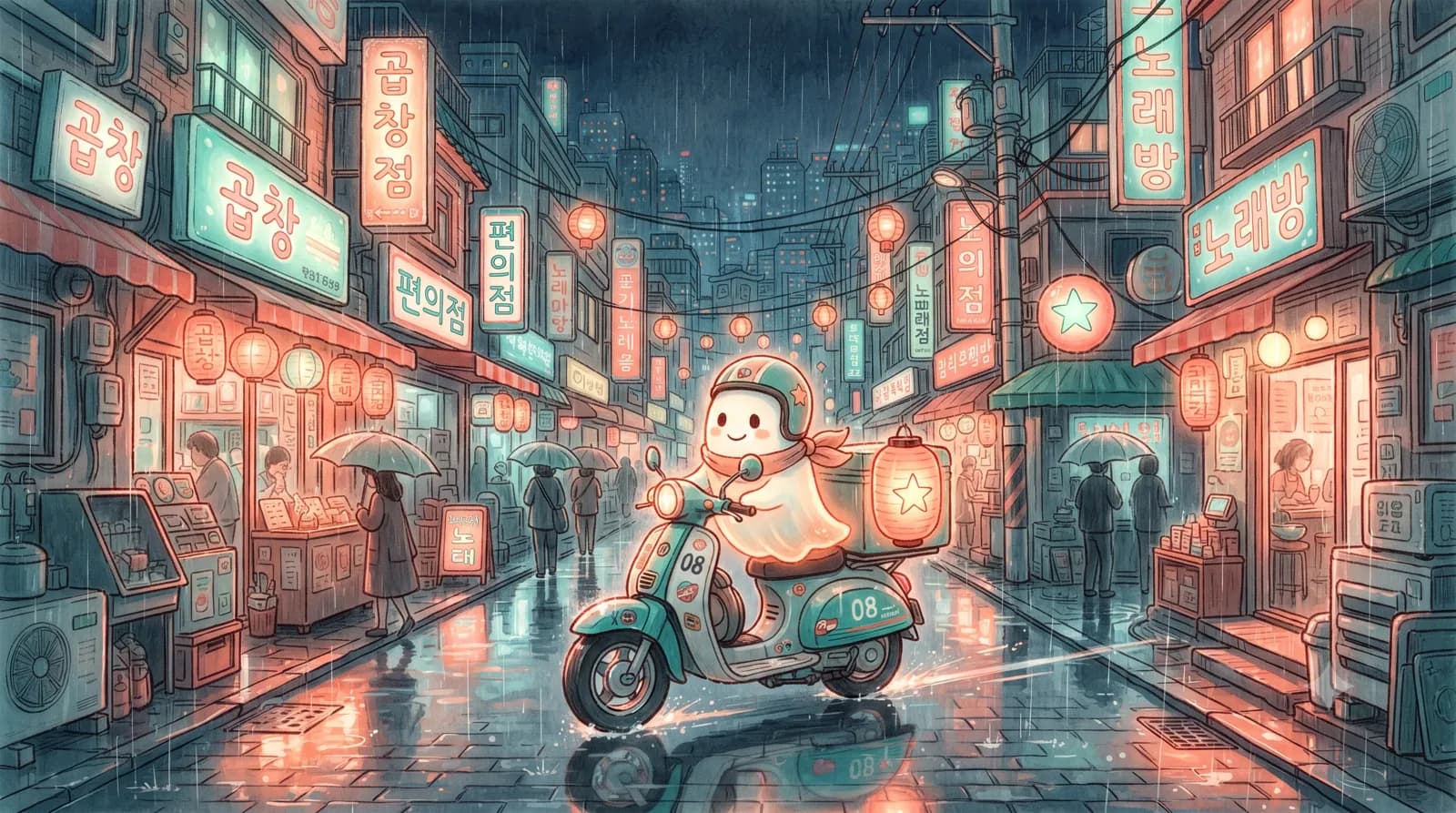
Be honest: you have watched the little rider icon crawl across the delivery map with the focused devotion normally reserved for penalty shootouts. You knew watching wouldn't make it faster. You watched anyway. The tracking map may be the most quietly beloved screen in any delivery app — a feature that delivers no food, saves no money, and yet feels almost as essential as the meal. That's not a design accident. It's applied psychology, and it works on some very old machinery in your head.
Uncertainty is the real hunger
Research on waiting consistently finds the same thing: what people hate about waiting isn't primarily the duration — it's the uncertainty. An unexplained wait feels dramatically longer than an explained one, and an untracked wait invites the mind to write catastrophe fiction. Did the order go through? Did the restaurant see it? Is my food touring the neighborhood? The tracking map answers all of it continuously. This is the same insight that led operators of elevators and airports to discover that mirrors by the lift and longer walks to baggage claim reduce complaints: occupied, informed waiting barely registers as waiting at all. The map converts an anxious void into a story with a protagonist.
A progress bar you can love
Humans are suckers for visible progress. The goal-gradient effect — observed from lab rats to coffee-shop loyalty cards — shows motivation and excitement intensify as a goal visibly nears. The rider dot is a progress bar with a soul: it doesn't just fill, it navigates, pauses at lights, takes the clever shortcut. Each screen refresh offers a micro-reward, a tiny confirmed increment of 'closer.' Anticipation research adds the last piece: dopamine systems respond powerfully to expected reward as it approaches, which is why the final three blocks of the rider's journey may genuinely be the emotional peak of the whole meal. The doorbell is almost an epilogue.
- Certainty: the map replaces 'is it coming?' with 'it is exactly there'
- Agency illusion: watching feels like participating, and participation calms us
- Narrative: a dot with a route is a story, and brains will always finish a story
No one has ever made food arrive faster by staring at a map. Everyone has felt like they did.
The refresh ritual
There's a gentle irony in what the map does to us. A tool built to reduce anxiety becomes its own micro-compulsion: check, lock phone, check again forty seconds later. The estimated arrival time becomes a number we audit like accountants — it said 12 minutes, it now says 13, we feel personally wronged. And the strangest moment of the whole experience: when the dot stops moving somewhere unexplained, and the catastrophe fiction returns with a vengeance. (The rider is fine. It's a red light. It's always a red light.) The map soothed us by making the invisible visible, and in exchange we now emotionally co-pilot every delivery in the city.
Still, as coping mechanisms go, it's a lovely one. The tracking map is proof that half of what we buy from a delivery app isn't food — it's certainty, narrative, and something to watch while hungry. PhantomBite understood this and drew the honest conclusion: we kept the best part and deleted the rest. Our ghost rider tracking map is fully functional, deeply soothing, and attached to no food whatsoever. Watch the dot glide forever, free of charge, immune to red lights. And when you're done meditating on it, the 20-minute recipe on your order screen offers the only progress bar that ends in dinner: the one on your own stove.
✍️ Written by the PhantomBite editorial team for the joy of it. Food history is often contested — where the record is murky, we say so rather than pretend to certainty. Recipes are tested to work in a home kitchen. The delivery, of course, is not.