To Tip or Not to Tip: A World Tour of Delivery Gratuity Awkwardness
In New York, skipping the tip is a scandal. In Tokyo, offering one might cause polite panic. A comparative anatomy of who tips their delivery rider, why, and how uncomfortable everyone feels about it.
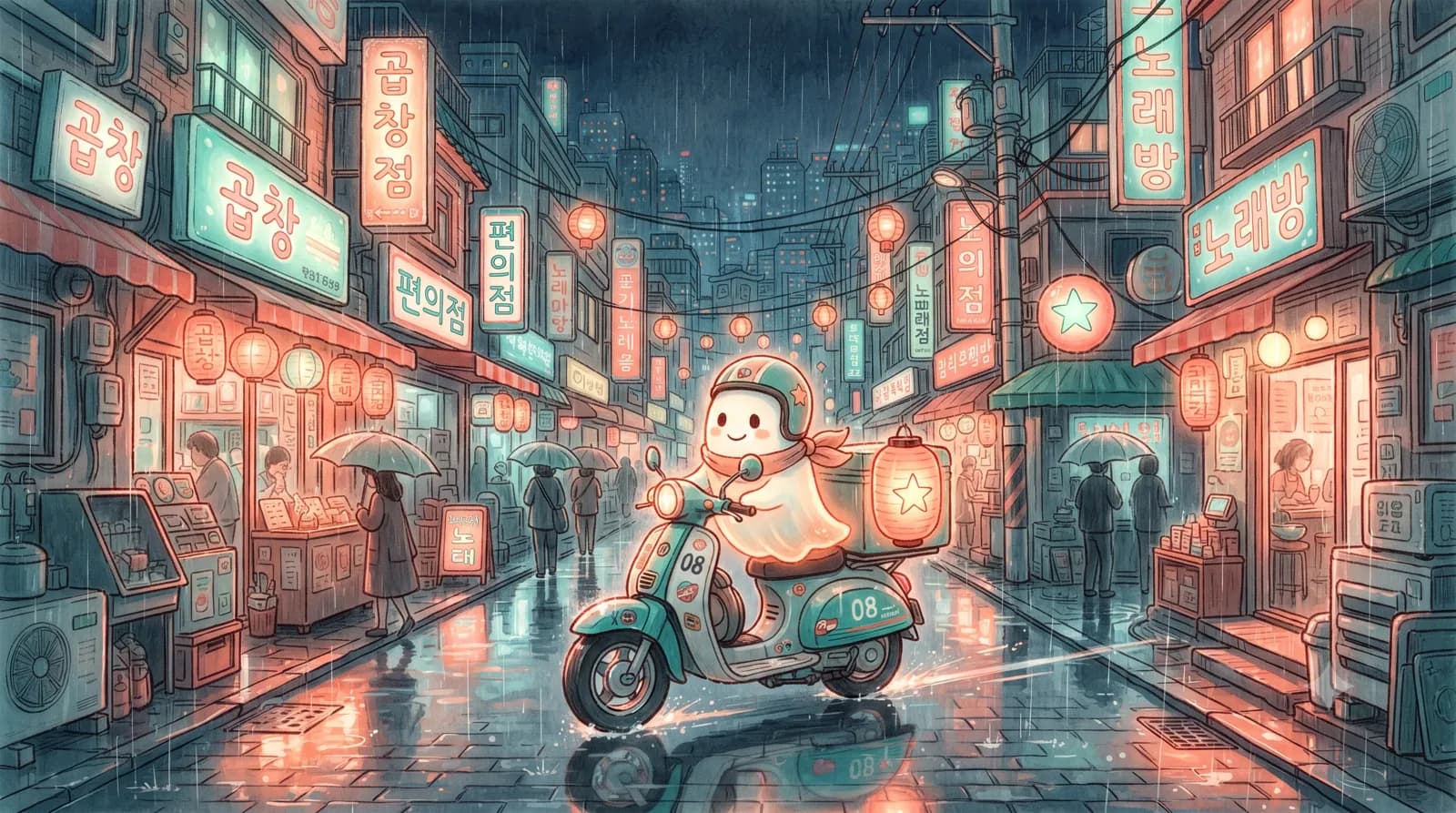
Here is a fun experiment you should never actually run: take the same pizza delivery and stage it in four cities. In New York, the customer agonizes over whether 15% is insulting. In Seoul, the concept of tipping the rider barely computes — the fee was itemized in the app, transaction complete. In Tokyo, a proffered tip may be politely declined, possibly twice. In Berlin, a small round-up changes hands with minimal ceremony. Same pizza, same distance, four entirely different social contracts. Tipping is never really about the money; it's about what a culture believes payment means.
The American model: the tip is the wage
In the United States, tipping delivery workers isn't gratitude — it's structural. Service compensation has historically been built around gratuities, and for many app couriers, tips form a substantial share of actual income. This transforms every checkout screen into a moral quiz, complete with preset buttons and the quiet judgment of a suggested percentage. The awkwardness is real and well documented in public debate: customers resent being made responsible for wages, workers resent customers who opt out, and the platforms hosting the transaction largely stay out of the crossfire they designed. American tipping is generosity with a compliance deadline.
Korea and Japan: the price should be the price
Korea approaches the problem like an engineer. Delivery costs are explicit — the delivery fee appears as its own line, occasionally weather-adjusted — so an additional tip feels redundant, like tipping a vending machine. Some apps have experimented with optional rider tip buttons, and their reception among Korean users has been notably cool: the prevailing sentiment is that fair pay should be inside the fee, not appended to it by vibes. Japan goes further: tipping is broadly absent from service culture, and offering cash to a courier can produce genuine confusion or gentle refusal. The underlying philosophy in both: excellent service is the default standard, not a performance requiring a bonus.
- United States: tipping expected; a meaningful part of courier income; maximal awkwardness at checkout
- Korea: itemized fees instead of tips; optional tip buttons exist but meet cultural resistance
- Japan: no-tip culture; service excellence considered included; tips may be declined
- Much of Europe: no obligation, modest rounding-up common, weather-related sympathy tips appreciated
A tip is a quiz about your values, administered while your food gets cold.
What the awkwardness reveals
Strip away the customs and every tipping culture is answering the same question: who is responsible for the courier's livelihood — the employer, the platform, or the person holding the door open in their pajamas? Tip-heavy cultures distribute that responsibility to customers one transaction at a time, which enables warmth and also inconsistency. No-tip cultures centralize it in prices and wages, which enables predictability and also removes the individual thank-you channel. Neither system eliminates the awkwardness; they just relocate it — to the checkout screen, or to the wage negotiation, or to the moment a foreign tourist triple-bows while forcing coins on a bewildered courier.
Travelers, take the practical rule: research before you land, follow local defaults, and when in doubt, kindness in words is legal tender everywhere. PhantomBite, naturally, has transcended the debate. Our ghost riders accept no tips because there is nothing to hand them, no doorway to meet in, and no wage to supplement — the first delivery workforce in history with zero income inequality, at zero income. The gratuity you save can be invested in ingredients for the 20-minute recipe on your order screen. Tip yourself. You're the one doing the cooking.
✍️ Written by the PhantomBite editorial team for the joy of it. Food history is often contested — where the record is murky, we say so rather than pretend to certainty. Recipes are tested to work in a home kitchen. The delivery, of course, is not.