Kimchi Science: Why Sour, Elderly Kimchi Makes the Greatest Jjigae
Kimchi is a living ecosystem run by lactic acid bacteria — and the older and sourer it gets, the better it performs in a bubbling pot of kimchi jjigae. Here's the microbiology of comfort food.
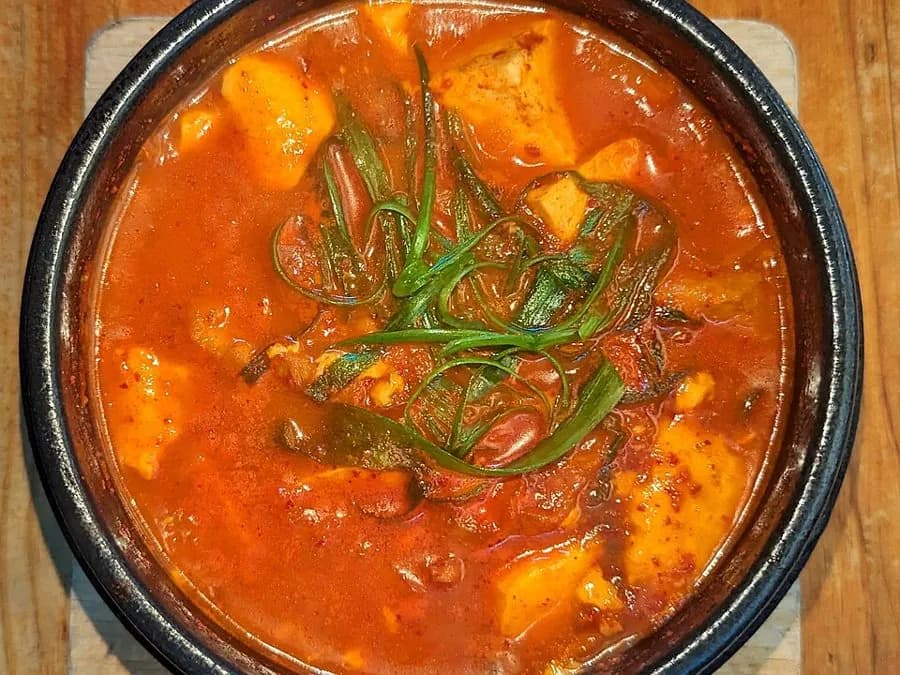
Every jar of kimchi is a tiny civilization. Billions of microbes rise and fall in waves, transforming salted cabbage into something alive, fizzy, and increasingly sour. Koreans have managed this civilization for centuries without a single microscope — and figured out its greatest secret along the way: the old, sour, past-its-prime kimchi that nobody wants to eat raw is exactly the kimchi that makes a transcendent pot of jjigae. 🧪
The Microbial Relay Race
Kimchi fermentation is lactic acid fermentation, and it unfolds like a relay race. Salting the cabbage draws out water and evicts most unwanted microbes. Then lactic acid bacteria naturally present on the vegetables take over in the oxygen-poor brine. Early stages are typically led by Leuconostoc species, which produce carbon dioxide — that gentle fizz in fresh kimchi — plus lactic acid and aromatic compounds. As acidity climbs, hardier genera like Lactobacillus take the baton and push the kimchi ever more sour. No yeast packet, no starter culture: the ecosystem assembles itself, jar after jar, every single time.
Why Old Kimchi Wins the Jjigae Game
Fresh kimchi is crisp and lightly tangy — great for eating straight. But months-old mugeunji has been chemically remodeled: fermentation has built up lactic acid, deepened umami, and softened the cabbage so it drinks up broth like a sponge. In a jjigae, that acidity does what a squeeze of lime does for tacos or wine does for a French stew — it cuts the pork fat, sharpens the gochugaru heat, and gives the broth structure. Cooking mellows the harsh edges while keeping the depth. This is why Korean home cooks guard their oldest kimchi for the pot: raw, it's a bully; simmered, it's a genius.
Fresh kimchi is a side dish. Old kimchi is an ingredient with a résumé.
The Kimchi Fridge: A National Appliance
Traditionally, kimchi overwintered in onggi earthenware jars buried in the ground, where temperatures held steady just around freezing — ideal for slow, even fermentation. Modern apartments buried that option, so Korea engineered a replacement: the kimchi refrigerator, a dedicated appliance that mimics underground conditions with precise, stable cold and separate compartments. Introduced in the 1990s, it became a standard fixture in Korean households — a fridge whose entire job is babysitting bacteria.
- Fresh kimchi (geotjeori) — crisp, barely fermented, salad energy
- Ripe kimchi — balanced sour-savory sweet spot for eating as-is
- Mugeunji — aged months or years, too fierce raw, unbeatable cooked
- Kimchi jjigae — where the elderly kimchi becomes the hero
If this made you crave a bubbling red pot, you can pretend-order kimchi jjigae on PhantomBite — $0 checkout, ghost rider en route, arrival scheduled for never. Meanwhile the dish page has a real 20-minute recipe that turns sour old kimchi, pork, and tofu into actual dinner. The bacteria did years of work; the least you can do is give them twenty minutes.
✍️ Written by the PhantomBite editorial team for the joy of it. Food history is often contested — where the record is murky, we say so rather than pretend to certainty. Recipes are tested to work in a home kitchen. The delivery, of course, is not.