Cue, Routine, Reward: How Delivery Apps Hook You (and How to Notice)
Delivery apps are habit machines built on the cue-routine-reward loop. Spot your own triggers, and you can swap the routine without fighting the urge.
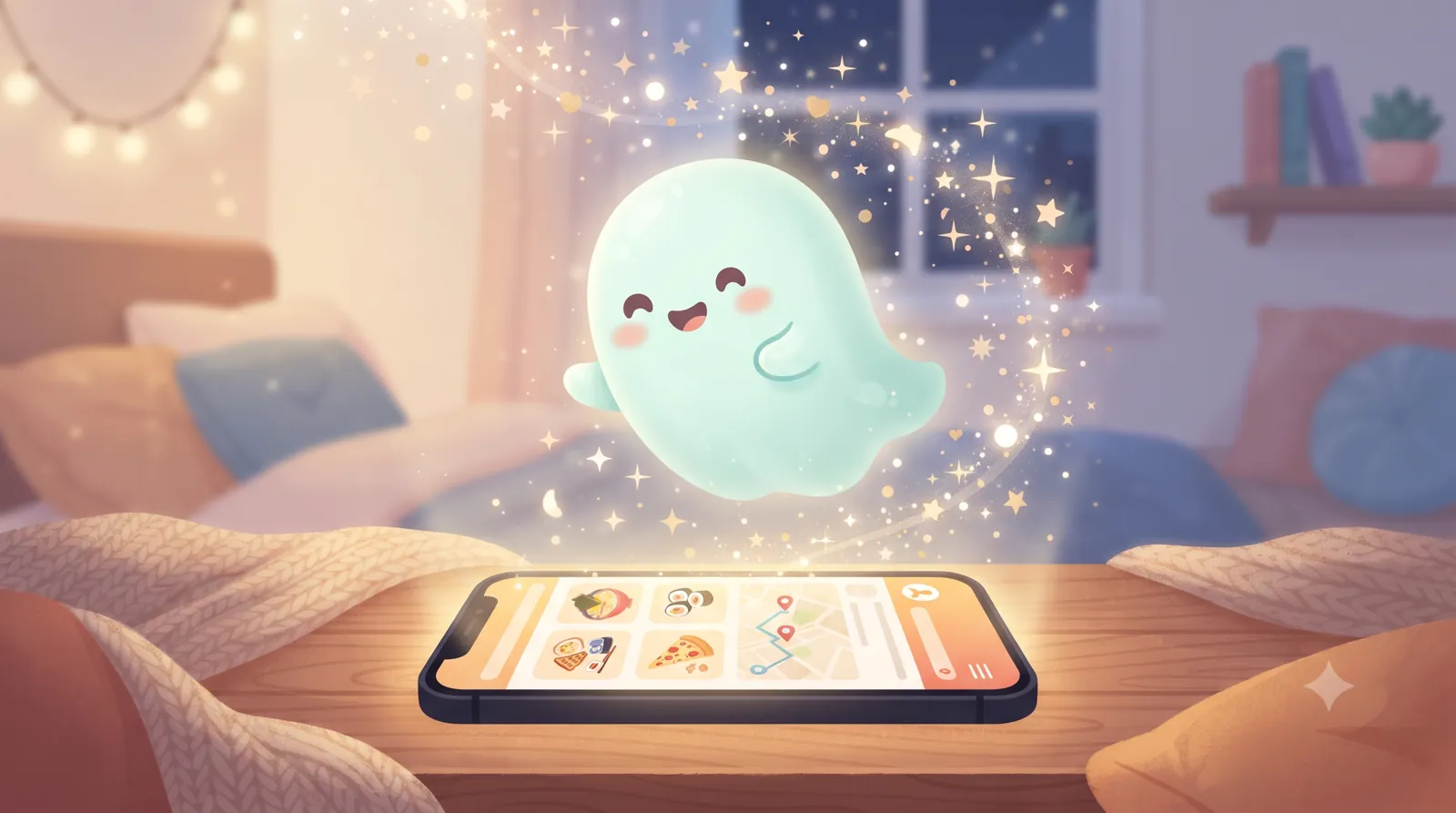
You didn't decide to order tonight. You felt bored, your thumb found the app, and twenty minutes later dinner was on its way — the whole thing running like a reflex. That's not a lapse in judgment. It's a habit loop, and delivery apps are engineered to build and feed exactly this kind of automatic behavior. The good news: once you can see the loop, you can quietly rewire it.
The Three-Part Loop Behind Every Habit
Habit researchers describe a simple structure: cue, routine, reward. A cue triggers the behavior — a time, a feeling, a place. The routine is the behavior itself. The reward is the payoff that tells your brain the loop is worth keeping. Repeat it enough and the whole sequence automates, so the cue alone pulls you toward the routine before you consciously decide anything. Ordering food slots perfectly into this shape: bored (cue), open app and order (routine), tasty relief (reward). The unsettling part is how little conscious thought is involved once it's grooved in — by the hundredth time, the decision has effectively been outsourced to autopilot, and 'choosing' to order is more of a story you tell yourself afterward.
Why Apps Are Built to Loop You
Delivery apps are designed to strengthen every part of the loop. Push notifications manufacture cues. One-tap reordering makes the routine nearly frictionless. And because dopamine fires on anticipation, the tracking map and countdown keep the reward system humming from the moment you order. None of this is your imagination — it's the product working as intended. Recognizing that isn't defeatist; it's the first real step toward taking the wheel back.
You can't delete the cue. But you can change what happens next.
Spot Your Trigger, Swap the Routine
You rarely win by attacking the reward or bottling up the cue. The durable move is to keep the cue and reward but replace the routine in the middle. First, catch your real trigger:
- Time cue — a specific hour, usually late
- Emotional cue — boredom, stress, loneliness, a rough day
- Context cue — the couch, the phone, a certain show
- Reward you're really after — comfort, a break, a sense of treating yourself
Once the cue fires, feed it a harmless routine that still delivers the reward. That's precisely what PhantomBite offers. When boredom or stress sends your thumb toward a food app, you can browse a full menu, build the order, and check out for $0, then watch a ghost rider head across a real map toward a dinner that never arrives. Same cue, same anticipation payoff — new routine, no charge, no regret. And when the hunger is real, every dish comes with a genuine 20-minute recipe. Keep the loop. Change the middle. 🔁
✍️ Written by the PhantomBite editorial team for the joy of it. Food history is often contested — where the record is murky, we say so rather than pretend to certainty. Recipes are tested to work in a home kitchen. The delivery, of course, is not.