Your Favorite 'Restaurant' Might Be Unit 7 in a Warehouse: The Real Ghost Kitchen Story
Ghost kitchens are real: delivery-only restaurants with no dining room, no sign, and sometimes ten different 'brands' cooking on the same stove. Here's how the invisible restaurant industry actually works.
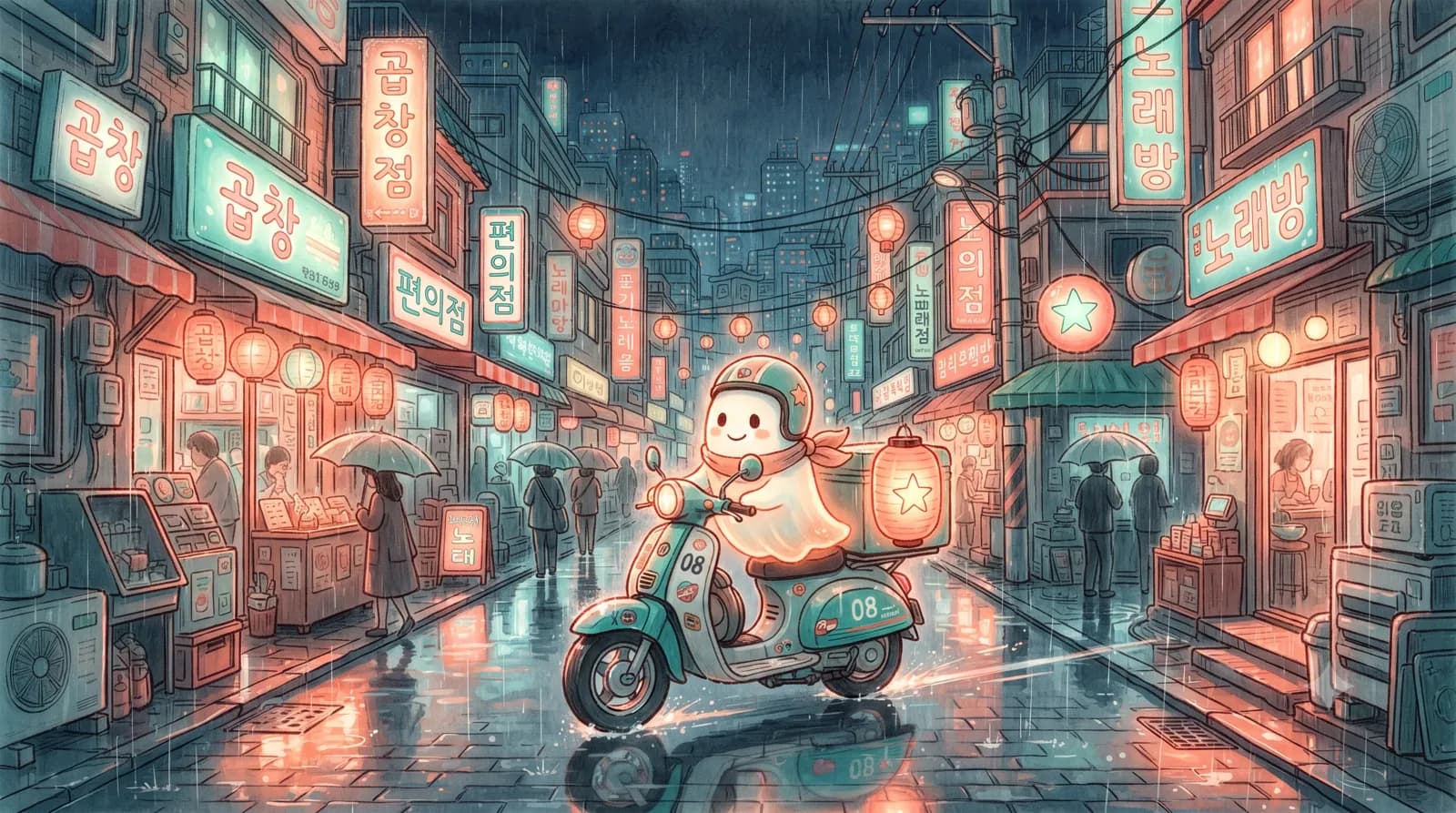
We run a fake delivery service, so trust us on this: we know a ghost when we see one. And the restaurant industry is full of them — legitimately, legally, deliciously full of them. That artisanal burger 'restaurant' you order from every Friday may have no dining room, no storefront, no sign, and no address you'd recognize as a restaurant. It may be a stainless-steel stall inside a shared industrial kitchen, operating alongside a poke brand, a fried chicken brand, and a dessert brand — several of which are run by the same two cooks. Welcome to the ghost kitchen economy, where the restaurant is optional but the food is real.
What a ghost kitchen actually is
A ghost kitchen — also called a dark kitchen, cloud kitchen, or virtual kitchen — is a food business built exclusively for delivery. No tables, no servers, no window seating; the entire customer-facing existence is an app listing. The economics explain everything. A traditional restaurant pays premium rent for foot traffic, spends on interiors, and staffs a dining room. A delivery-only operation needs none of that: it can rent a compact kitchen unit in a cheap location, because its 'location' is really the delivery radius on a map. Shared-kitchen facilities take this further, subdividing warehouses into rows of rentable cooking stalls with common infrastructure — the food world's answer to coworking spaces.
One kitchen, many masks
The genuinely mind-bending part is virtual branding. Because a 'restaurant' on a delivery app is just a name, a logo, and a menu, one physical kitchen can operate multiple app-facing brands simultaneously. The same fryer might serve a wings brand, a katsu brand, and a late-night snack brand — each with its own listing, reviews, and loyal customers who have no idea the others exist. This isn't inherently deceptive: menus are real, food is cooked to order, and multi-branding is often just a small operator maximizing one kitchen's output. But it does mean the app's illusion of choosing between ten restaurants is sometimes a choice between ten hats worn by one chef.
- Delivery-only: no dining room, storefront, or walk-in service
- Shared facilities: multiple operators renting stalls in one licensed kitchen space
- Virtual brands: one kitchen running several distinct app 'restaurants' from the same line
- Korea's version: densely packed shared kitchens became prominent as the delivery market boomed
The dining room was never the product. The product was always dinner, arriving.
Should you care?
Reasonable people land differently. The case for shrugging: lower overhead can mean lower prices, ghost kitchens let new cooks test concepts without betting their life savings on a lease, and licensed shared kitchens are subject to the same food-safety rules as any restaurant. The case for caring: reviews and photos borrowed across sibling brands can blur what you're actually choosing, and a listing styled like a cozy neighborhood bistro sets expectations a warehouse unit didn't agree to. The practical middle path is light detective work — identical addresses across multiple 'restaurants,' suspiciously overlapping menus, and no searchable storefront are the classic tells. Then decide if you mind. Often, honestly, you won't: the food is the food.
There's something almost poetic about the whole industry. Delivery apps spent a decade teaching us that a restaurant is a picture and a rating; ghost kitchens simply took the lesson literally and deleted everything else. Which makes PhantomBite the logical conclusion of the entire arc. Ghost kitchens removed the dining room; we bravely removed the kitchen. No unit 7, no shared fryer, no virtual brands — just a beautiful app listing, a ghost rider, and nothing cooking anywhere. The only real kitchen in our supply chain is yours, where the 20-minute recipe on your order screen turns you into the least ghostly restaurant in town: one table, one regular, zero delivery radius.
✍️ Written by the PhantomBite editorial team for the joy of it. Food history is often contested — where the record is murky, we say so rather than pretend to certainty. Recipes are tested to work in a home kitchen. The delivery, of course, is not.