Dopamine Loves the Wait: Why Anticipation Feels Better Than the Meal
The pleasure chemical isn't really about pleasure — it spikes when you predict a reward, not when you finally get it. Here's why the countdown often beats the delivery.
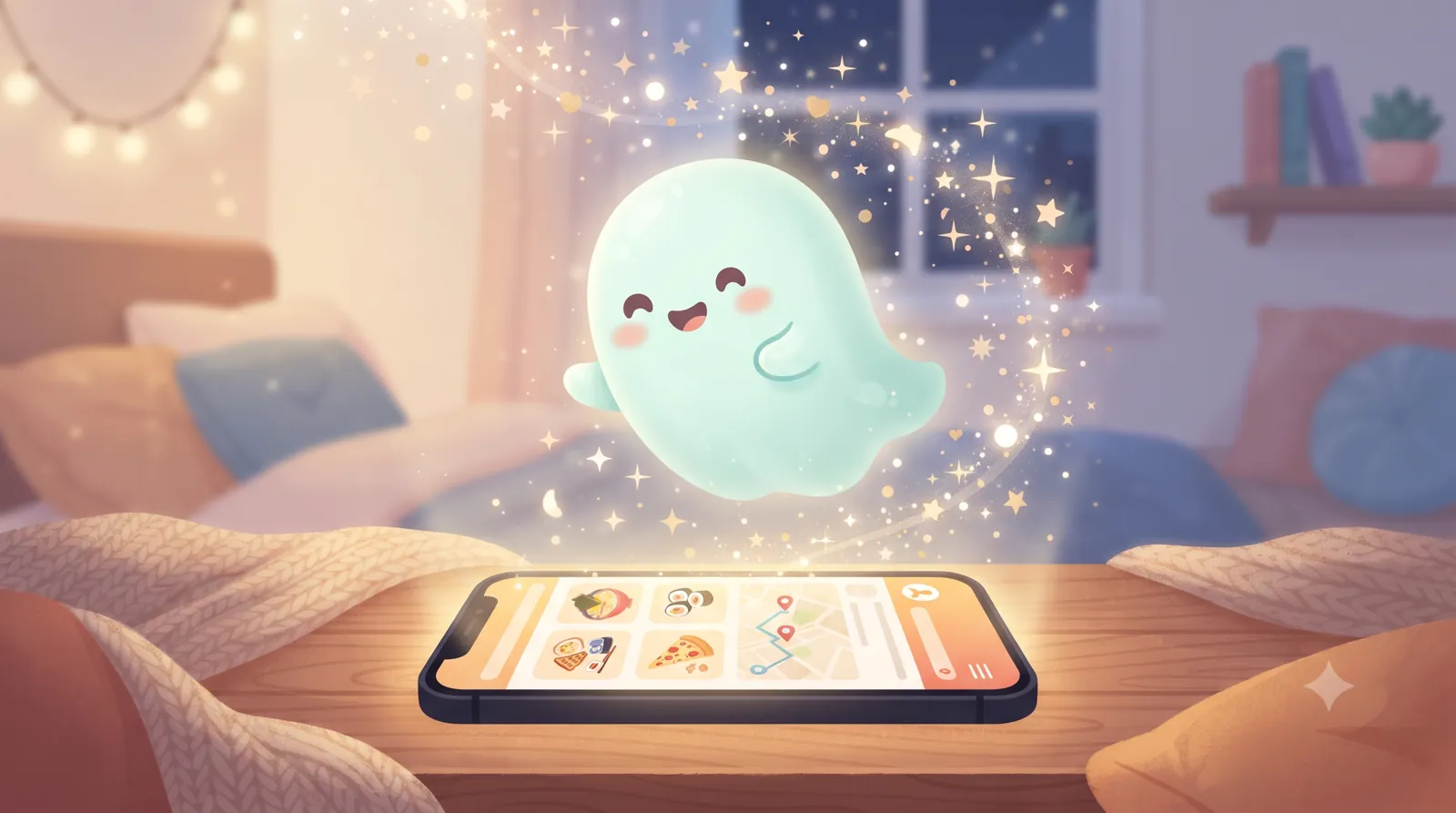
Think about the last time you ordered food. The best moment probably wasn't the first bite. It was earlier — the scrolling, the choosing, the little thrill when the app said the rider was three minutes away. That fizz of expectation is dopamine doing its favorite job. And it turns out dopamine cares far more about the wait than the reward.
Dopamine Is a Prediction Machine, Not a Pleasure Button
For decades people called dopamine the 'pleasure chemical,' which is a bit like calling a weather forecaster the weather. Dopamine doesn't hand you happiness; it tracks expectations. Neuroscientist Wolfram Schultz found that dopamine neurons fire hardest not when a reward arrives, but when it is anticipated — and especially when it arrives unexpectedly. Once a reward becomes fully predictable, those neurons quiet down. The surprise, not the sugar, is what lights them up.
Prediction Error: The Brain's Delight in Being Surprised
The core idea is called reward prediction error — the gap between what you expected and what you got. Better than expected? Dopamine surges and your brain flags the situation as worth repeating. Exactly as expected? Barely a ripple. Worse than expected? A dip. This is why the tenth identical takeout order feels flatter than the first, and why a surprise free side sends a disproportionate jolt of joy. Your brain is not scoring the meal; it is scoring the difference from its guess.
Dopamine doesn't shout 'this is good.' It whispers 'this was better than I thought — do it again.'
Wanting Is Not the Same as Liking
Psychologist Kent Berridge drew a line that changes how you see cravings: 'wanting' and 'liking' run on different systems. Dopamine powers wanting — the pull, the pursuit, the itch to get the thing. Liking — the actual warm pleasure of tasting it — leans on other brain chemistry entirely. That mismatch explains a familiar disappointment: you can want a midnight burger intensely, chase it down, and feel oddly hollow mid-bite. The wanting was loud. The liking was quieter than the ad promised.
So the anticipation loop is not a glitch. It is the main event. The chase, the choosing, the tracking dot creeping across the map — that is where most of the good chemistry actually lives.
Which is the strange little secret behind PhantomBite. You browse, you build the order, you watch a ghost rider set off across a real map — and the food, faithful to the laws of comedy, never arrives. You get the anticipation loop, the part your brain was chasing all along, for a checkout total of $0. Then the dish page hands you a real 20-minute recipe, so the 'liking' can show up on its own schedule. Ride the wait. Skip the bill. 🛵
✍️ Written by the PhantomBite editorial team for the joy of it. Food history is often contested — where the record is murky, we say so rather than pretend to certainty. Recipes are tested to work in a home kitchen. The delivery, of course, is not.