Countdown Timers and Sneaky Fees: A Field Guide to Delivery App Dark Patterns
That flashing timer, that 'only 2 left' badge, that fee that appeared at checkout like a ghost — none of it is an accident. Here's how to spot the tricks apps play on hungry brains.
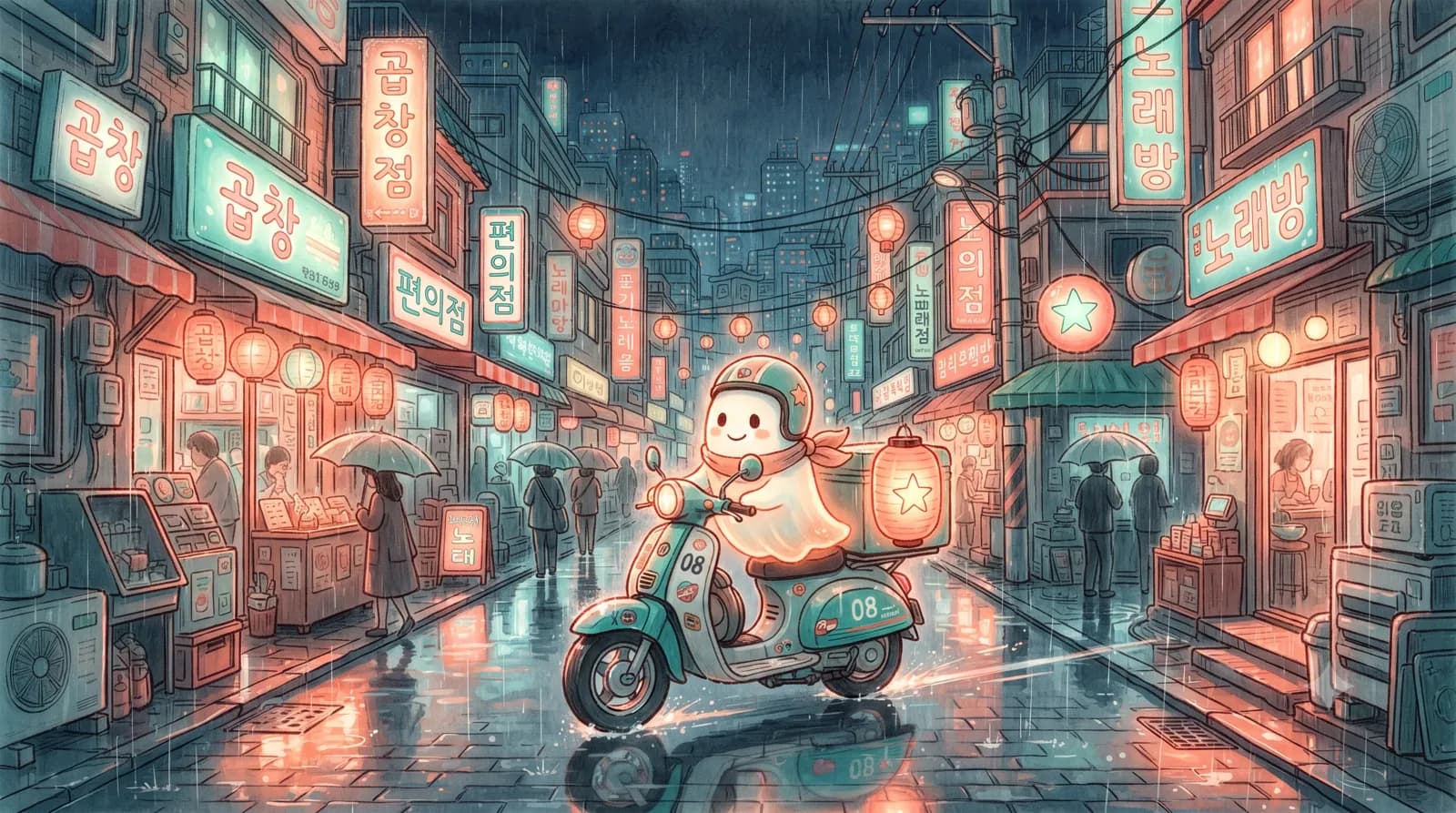
A hungry person opening a food app is, from a design perspective, the softest target in commerce. Decision fatigue is high, blood sugar is low, and the reward is minutes away. Into this vulnerable moment, some apps deploy an arsenal of psychological nudges that researchers call dark patterns: interface designs that steer you toward choices you wouldn't make with a full stomach and a clear head. Regulators in multiple countries have taken these seriously enough to study, define, and in various cases restrict them. Consider this your field guide.
The urgency machine
The most common species is manufactured urgency. Countdown timers on discounts — order within 09:59 or lose the deal — convert a leisurely decision into a race. Scarcity badges whisper that a promotion is 'almost gone' or a deal is claimed by 'many users nearby.' Sometimes these reflect real constraints; a lunch special genuinely can end. The dark version is when the timer resets if you wait it out, or the scarcity is generated rather than measured. The tell: real deadlines survive a page refresh. Theatrical ones get reborn.
The fee that waits until the end
The second great family is drip pricing: showing an appetizing base price up front, then layering on costs step by step — delivery fee, small-order fee, service fee, container charge — so the true total only materializes at checkout, after you're psychologically committed. Each added line exploits the sunk cost feeling: you've picked the menu, customized the toppings, come this far. Consumer protection authorities in several jurisdictions have pushed platforms toward showing all-in prices earlier for exactly this reason. Related cousins include the pre-ticked add-on, the donation checkbox you didn't notice, and the 'free delivery' banner with conditions living in footnote-sized text.
- Confirm-shaming: decline buttons written to embarrass you — 'No thanks, I hate saving money'
- Subscription roach motels: free trials that take one tap to enter and an expedition to leave
- Interface interference: the option the app prefers rendered big and colorful, the one you prefer in pale gray
- Nagging: the same coupon popup resurfacing until you accept out of exhaustion
How to eat with your eyes open
The good news: dark patterns lose most of their power the moment you can name them. A countdown you've identified as theater is just a blinking rectangle. A few reflexes help. Screenshot the price you first saw and compare it at checkout. Refresh the page once before obeying any timer. Read every pre-ticked box like it owes you money. And adopt the golden question of defensive ordering: would I still choose this if the interface weren't pushing? None of this requires cynicism about every app — plenty of design nudges are honest, and some platforms compete on transparency. It just requires treating your hunger as valuable, because the interface certainly does.
If a discount can't survive a page refresh, it was never a discount. It was a performance.
There's a broader principle underneath: interfaces are arguments. Every screen is quietly proposing what you should want, and hungry users deserve arguments made in good faith. Which is why PhantomBite practices radical pattern transparency. Our countdown timer counts up, forever, since your order will never arrive. Our checkout shows the full itemized total — zero, zero, and zero — with no fees hiding behind the last button. The only pattern we push is the 20-minute recipe on your confirmation screen, nudging you toward the one dark truth no app can hide: the fastest delivery is the stove you already own.
✍️ Written by the PhantomBite editorial team for the joy of it. Food history is often contested — where the record is murky, we say so rather than pretend to certainty. Recipes are tested to work in a home kitchen. The delivery, of course, is not.